

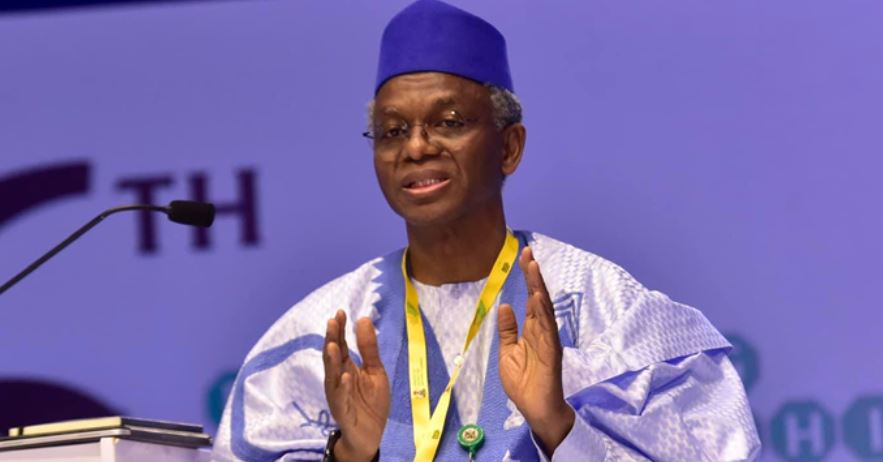
ABUJA — Former Governor of Kaduna State, Nasir El-Rufai, has cautioned that Nigeria’s national security architecture has drifted dangerously from protecting citizens to preserving political power, warning that the trend threatens justice, democracy, and long-term stability.
El-Rufai made the remarks in a lengthy statement posted on his Facebook page on Sunday, titled “National Security, Justice, and the People’s Wellbeing: Reclaiming the Purpose of Power.”
He argued that national security should exist solely to guarantee that Nigerians “live long, live well, and live in peace,” stressing that security is inseparable from justice and the wellbeing of citizens.
Quoting Nigeria’s National Security Strategy (2019), the former governor noted that security is the cornerstone of development and societal progress, adding that a state cannot be considered secure if its people live in fear or if institutions are armed but hollowed out.
According to El-Rufai, Nigeria’s democratic experience over the past 26 years has witnessed a steady mutation of national security into what he described as “regime security,” where state institutions are allegedly repurposed to protect incumbents, suppress dissent, and shield incompetence from accountability.
“There is a profound difference between protecting the country and protecting a regime,” he said, stressing that while governments are temporary, the state and its institutions are permanent and must serve all citizens regardless of who holds office.
He lamented that security agencies and parts of the criminal justice system are increasingly perceived as tools deployed selectively against political opponents and critics, rather than against criminals, terrorists, and bandits who threaten public safety.
El-Rufai warned that such misuse of security institutions erodes public trust, weakens professional capacity, and personalises state institutions, thereby undermining discipline, morale, and effectiveness.
“When citizens no longer trust the police and intelligence services, cooperation collapses, intelligence dries up, and criminal networks thrive,” he said.
The former governor also outlined broader consequences of prioritising regime security over state security, including deepening insecurity, radicalising political competition, discouraging investment, and ultimately endangering democracy.
He cautioned that democracies where security agencies serve incumbents rather than the Constitution may continue to hold elections but cease to function as true democracies in substance.
El-Rufai called for a return to a human-centred security model anchored on constitutionalism, justice, and shared national values. He outlined key principles, including constitutional allegiance by security agencies, impartial justice, recognition of opposition as a legitimate part of democracy, and the wellbeing of citizens as the ultimate measure of security success.
“National security does not belong to the President or the temporary occupants of power,” he said. “It belongs to the Nigerian people.”
He concluded that until security agencies return to their proper role as guardians of the state and servants of the Constitution, Nigeria would struggle to achieve lasting peace, genuine stability, and public confidence.
The post El-Rufai warns against ‘Regime Security,’ calls for people-centred national security framework appeared first on Vanguard News.