

The drums came first — deep, rolling, insistent — echoing through Morocco’s charged stadiums long before the opening whistle. Jerseys shimmered under the night sky, flags rippled like restless waves, and voices rose in unison, carrying accents from Lagos, London, Abuja, Amsterdam and Casablanca.
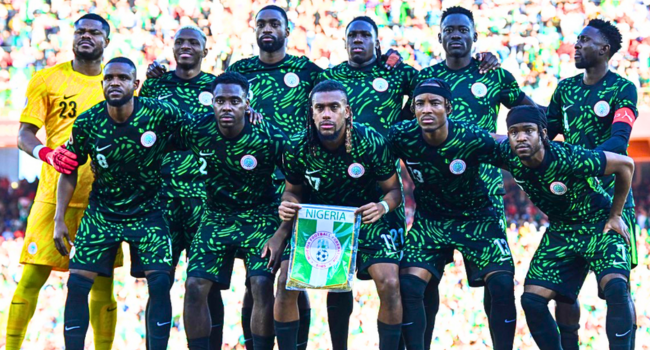
AFCON 2025 did not begin quietly; it arrived like a storm. The smell of fireworks, the metallic clash of cowbells, the roar of vuvuzelas, and the chants of millions fused into one continental heartbeat. And at the centre of it all stood the Super Eagles of Nigeria, wings spread, ready to soar.
READ ALSO: The Flight Continues: Nigeria’s AFCON Heroes Sparkle On Return To Club Duties
For Nigerians at home and in the diaspora, this was more than a football tournament. It was a ritual. Screens glowed in crowded living rooms, pubs overflowed with tension, and every kick of the ball felt personal.
AFCON 2025 was football at its loudest and most emotional — a competition that promised beauty, heartbreak, controversy, and unforgettable moments. And Nigeria’s journey would become one of its defining stories.
Spirit, Struggle And Silver Lining
Nigeria’s campaign began with hope and conviction. The Super Eagles — led by coach Eric Chelle — lit up the group stage with attacking flair and belief.
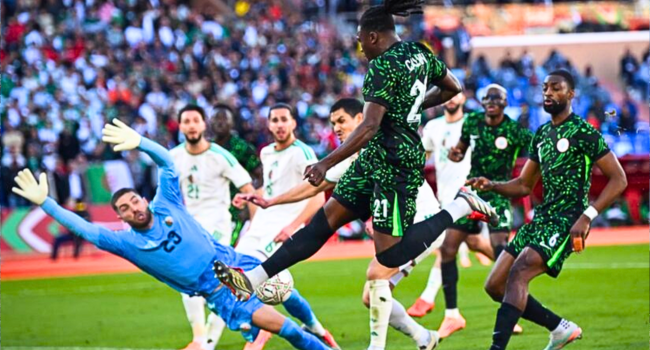
Their collective belief was summed up in both their disciplined defence and sharp attack, anchored by talismanic forward Victor Osimhen. They dispatched their opponents, including Algeria, to reach the semi‑finals, showcasing strength and tactical discipline that honoured Nigeria’s rich AFCON pedigree (three past titles).
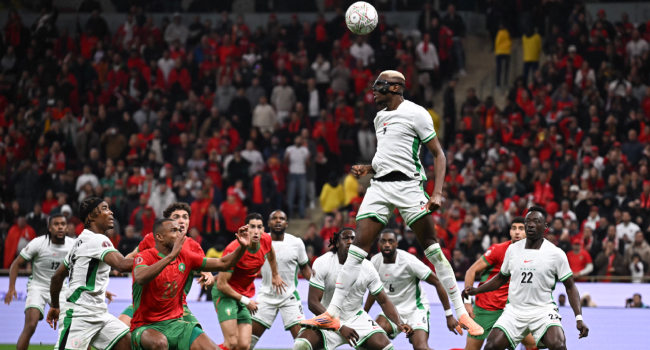
In a tense semifinal against host nation Morocco, the Super Eagles matched their opponents for 120 minutes, only for the game to be decided on penalties. Morocco triumphed 4‑2 from the spot, with goalkeeper Yassine Bounou emerging the shoot‑out hero.
Reactions in Nigeria were emotional and unfiltered. While some fans vented frustration — including criticism of winger Samuel Chukwueze’s penalty — there was also widespread pride in Nigeria’s overall resilience.
READ ALSO: AFCON: Diaspora Power Transforming Nigeria’s Super Eagles
The Federal Government lifted the spirits of the squad after that defeat.
“Even in defeat, you showed character, teamwork, and resilience, and those qualities matter deeply to the nation you represent. Football has its highs and lows, but your effort, commitment, and fighting spirit throughout this tournament have earned the respect and gratitude of Nigerians at home and abroad.
“You reminded us that wearing the green and white is about courage, unity, and never giving up. Hold your heads high. Learn from this experience, stay united, and return stronger. “Nigeria remains proud of you and grateful for the joy and hope you gave us during this competition,” the Minister of Information and National Orientation, Mohammed Idris, stated.
Redemption came swiftly. In the third‑place play‑off, Nigeria showed remarkable composure against Egypt. Goalkeeper Stanley Nwabali became the hero, saving two penalties as the Super Eagles edged the Pharaohs 4‑2 in Casablanca, extending Nigeria’s perfect record in AFCON bronze‑medal matches.
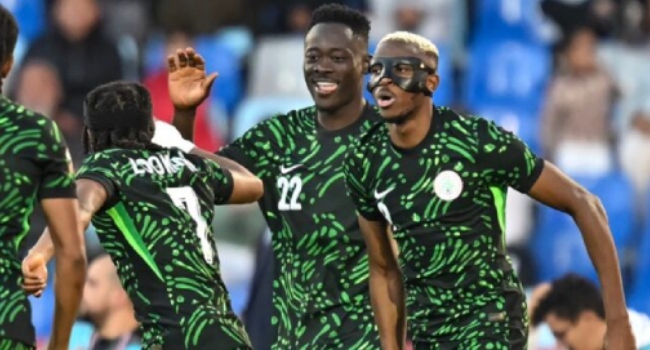
The bronze‑medal finish added to Nigeria’s rich AFCON history, marked by determination and unity — a narrative that resonated deeply with supporters both at home and abroad.
Teams That Stood Out
AFCON 2025 saw familiar powerhouses and surprising challengers rise to the occasion. Nigeria showed masterclass throughout their campaign. Morocco, buoyed by home support and a strong defensive record, reached the final — sealing their place with a dramatic penalty shoot‑out victory over Nigeria.
But Senegal stood out as the tournament’s most potent force. The Lions of Teranga blended experience with bold tactical nous, seeing off Egypt 1‑0 in the other semifinal, and then tackling Morocco in a final charged with tension and controversy.
On occasion, tournament heavyweights like the Ivory Coast and previously dominant nations fell short of expectations, a testament to the competitive depth now present across African football. Every match felt fiercely contested, with few pedagogical walks to victory — a sign of the evolving quality of the continental game.
Drama That Defined A Final
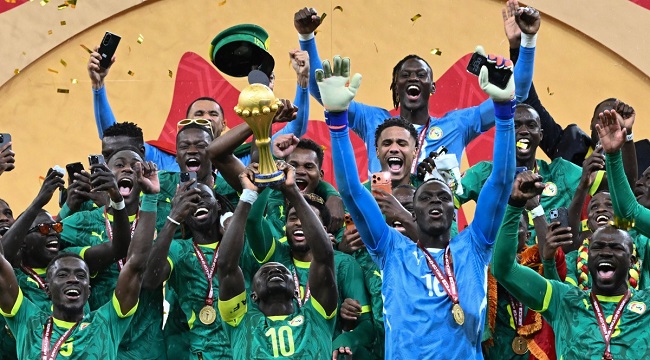
In what proved to be one of AFCON’s most controversial finals, Senegal edged hosts Morocco 1‑0 after extra time to lift their second Africa Cup of Nations trophy, thanks to an inspired performance from midfielder Pape Gueye, who scored the decisive goal early in extra time.
Yet the match was far from smooth. Late in regulation, Morocco appeared poised to prevail when awarded a stoppage‑time penalty after a VAR review — only for goalkeeper Édouard Mendy to save the Panenka attempt, keeping the score level.
The tension boiled over when Senegal briefly walked off the pitch in protest — a moment that sparked intense reaction across the football world. CAF has confirmed it is reviewing video footage and has launched disciplinary proceedings, emphasising that appropriate action will follow for misconduct during the final.
“The Confederation Africaine de Football (CAF) condemns the unacceptable behaviour from some players and officials during the CAF Africa Cup of Nations Morocco 2025 Final between Morocco and Senegal in Rabat last night,” the continental governing body said.
“CAF strongly condemns any inappropriate behaviour which occurs during matches, especially those targeting the refereeing team or match organisers,” the body said in a statement issued on Monday.
Despite the chaos, Senegal’s unity brought the title home and was celebrated with immense pride across West Africa and the diaspora — a victory that resonated far beyond the pitch.
Fans, Cultural Moments Transcending Sports
AFCON 2025 was not just about goals and tactics; it was about stories etched into memory. Across stands and screens, passionate supporters shared moments of joy, frustration and sheer spectacle.
One viral moment saw a fan from DR Congo, Michel Nkuka Mboladinga, standing for hours in homage to Patrice Lumumba, a powerful symbol of pride and endurance that transcended football.
In Morocco’s stadiums, chants, colours and cultural expression created an atmosphere that roared with identity and unity — from Lagos to London, Abuja to Amsterdam, diaspora fans turned watching parties into global festivals.

Official reactions captured the emotional complexity of the tournament. While CAF praised the high standard of competition but reiterated that discipline must match quality, FIFA’s President, Gianni Infantino, condemned behaviour during the final, stressing respect for officials and the integrity of the game — a reminder that passion must align with sportsmanship.
For Morocco, hosting AFCON was a showcase of organisational capacity and fan engagement, even as hopes of a first title in 50 years slipped away.
Back home, Nigeria’s own leadership lauded the Super Eagles’ efforts. National Sports Council Chairman Shehu Dikko highlighted the lessons Senegal took from Nigeria’s run and offered an honest view of the final’s controversial officiating, while affirming the competition’s overall brilliance. Watch the interview here.
AFCON’s Evolving Identity
AFCON 2025 delivered elite football, emotional turbulence and global resonance. Nigeria’s spirited campaign, Senegal’s hard‑fought championship and Morocco’s passionate hosting revealed a tournament rich in drama and quality.
Controversies will surely prompt reflection, but the competition’s competitive balance and cultural significance made it one of the most unforgettable editions in recent memory — a month where African football shone with all its colour, complexity and heart.
The post AFCON 2025: Elite Performance, Breathtaking Fan Culture And Unforgettable Tournament Drama appeared first on Channels Television.