

Flooding and fierce winds have pushed Madagascar’s death toll from Cyclone Gezani to 59, with more than a dozen people still unaccounted for, the country’s disaster agency said on Monday.
It is the latest in a string of tropical storms to batter the southern African island in recent months, underscoring its vulnerability to increasingly extreme weather fuelled by climate change.
At least 59 people had been killed countrywide by the cyclone, which slammed into Madagascar on February 10, the National Office for Risk and Disaster Management (BNRGC) said, while storm waters had displaced more than 16,000 people.
A previous report had put the death toll at 43.
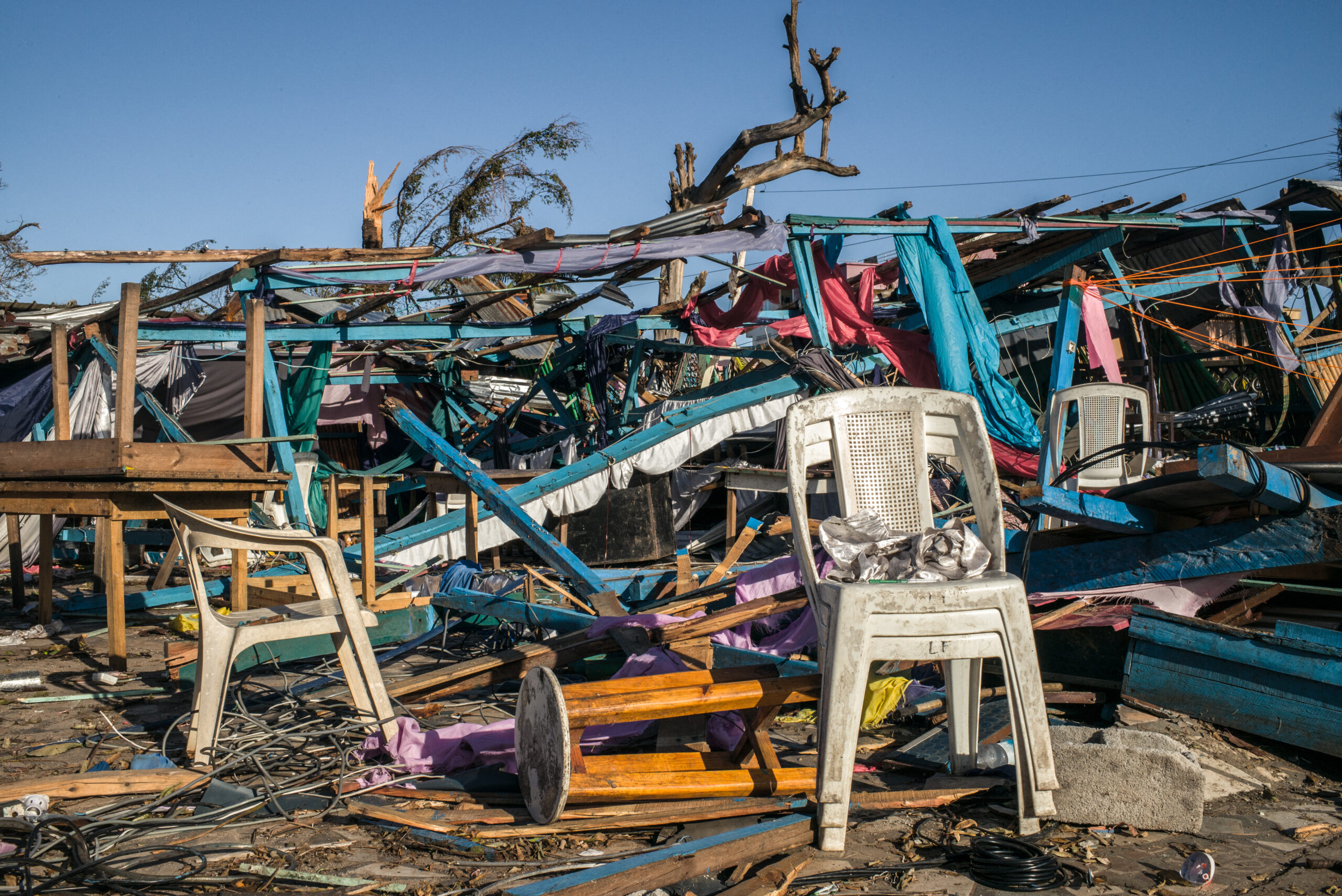
Most of the fatalities were reported in the port city of Toamasina on the east coast, formerly known as Tamatave, Madagascar’s second‑largest urban centre with around 400,000 inhabitants.
Another 15 people remain missing nearly a week after the cyclone struck, according to BNRGC.
The damage to housing was extensive, with some 25,000 homes destroyed, 27,000 others flooded, and more than 200 classrooms partially or completely wrecked, it said.
Gezani made landfall last week with winds topping around 250 kilometres (160 miles) per hour, prompting the government to declare a national emergency.
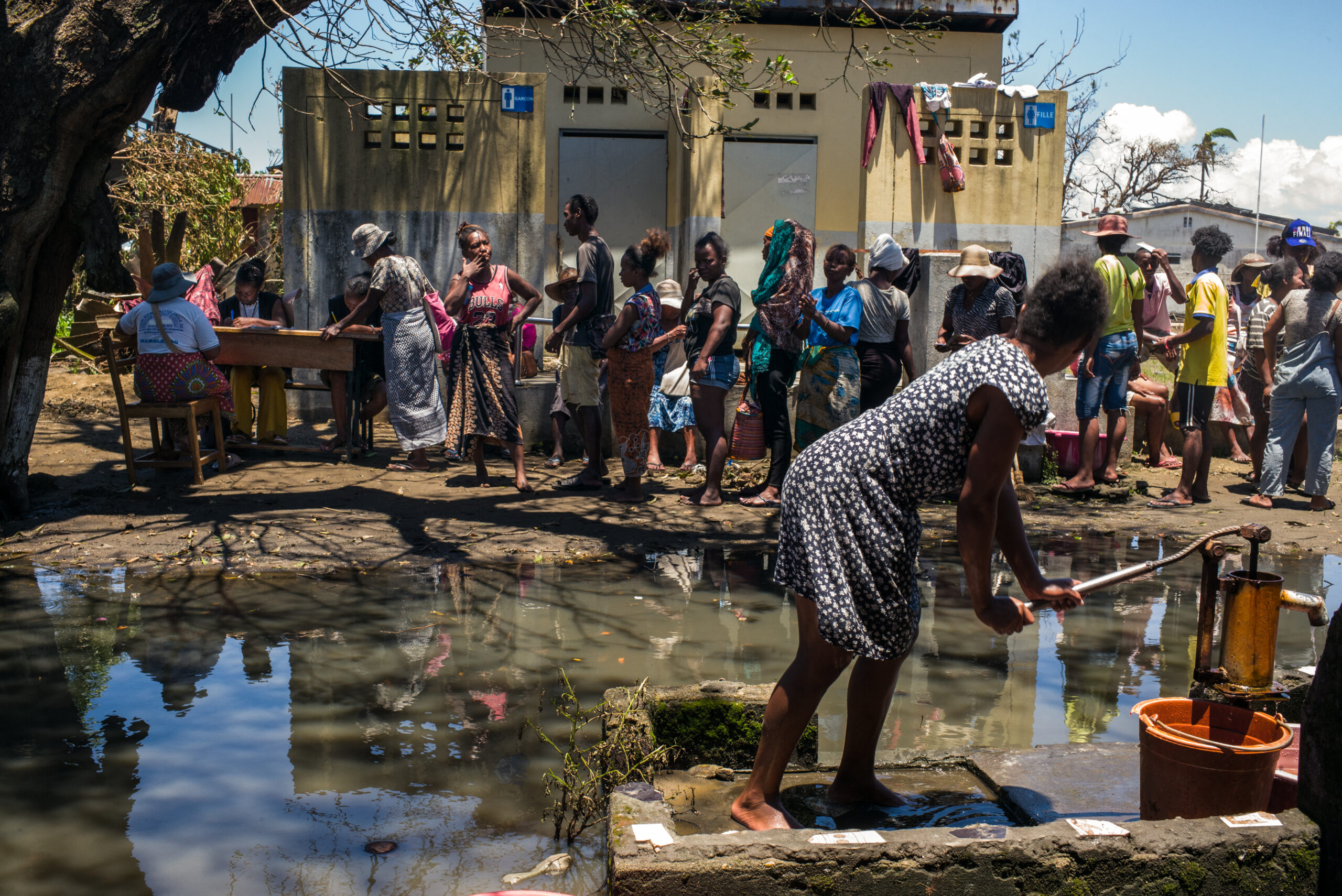
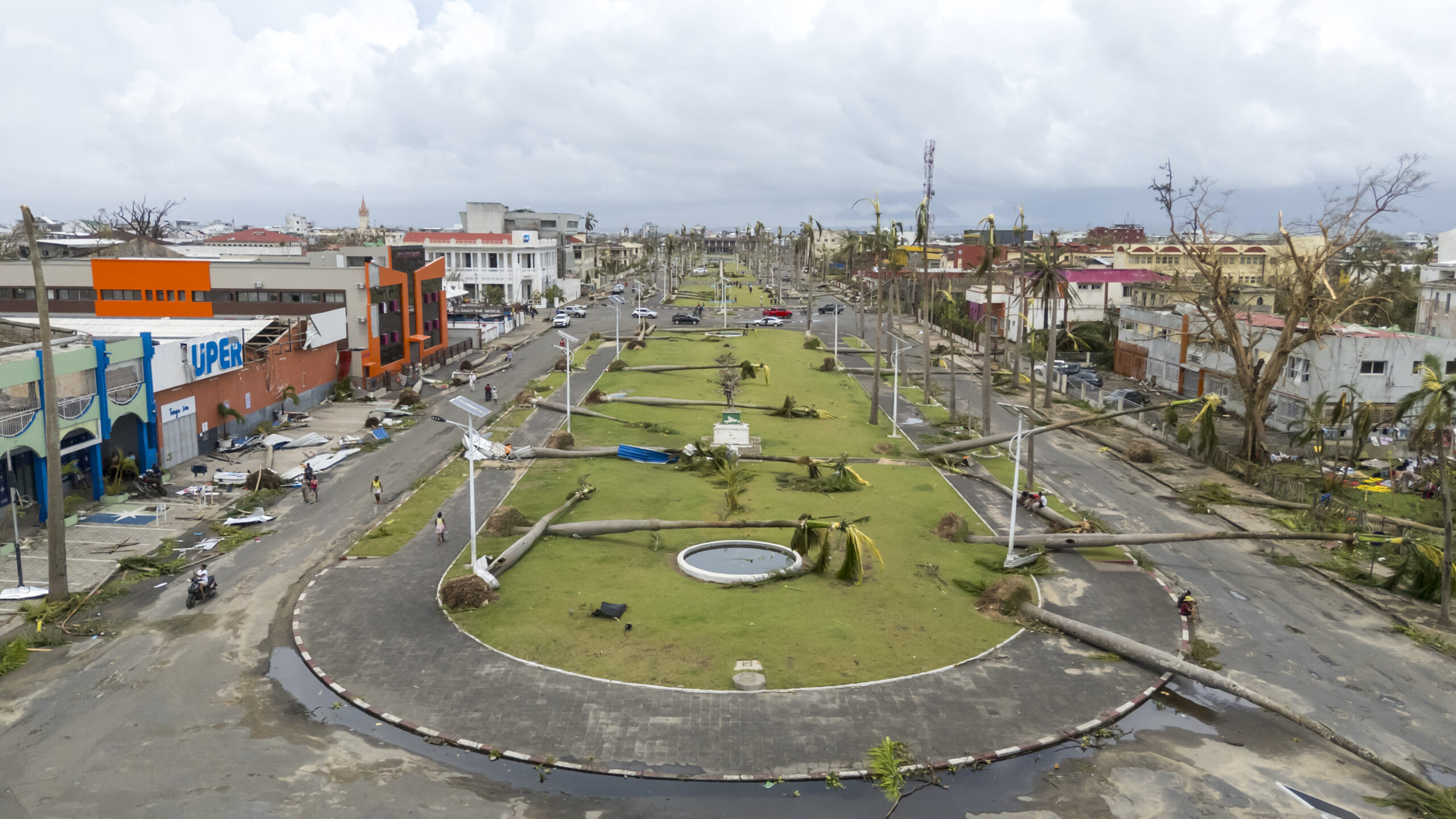
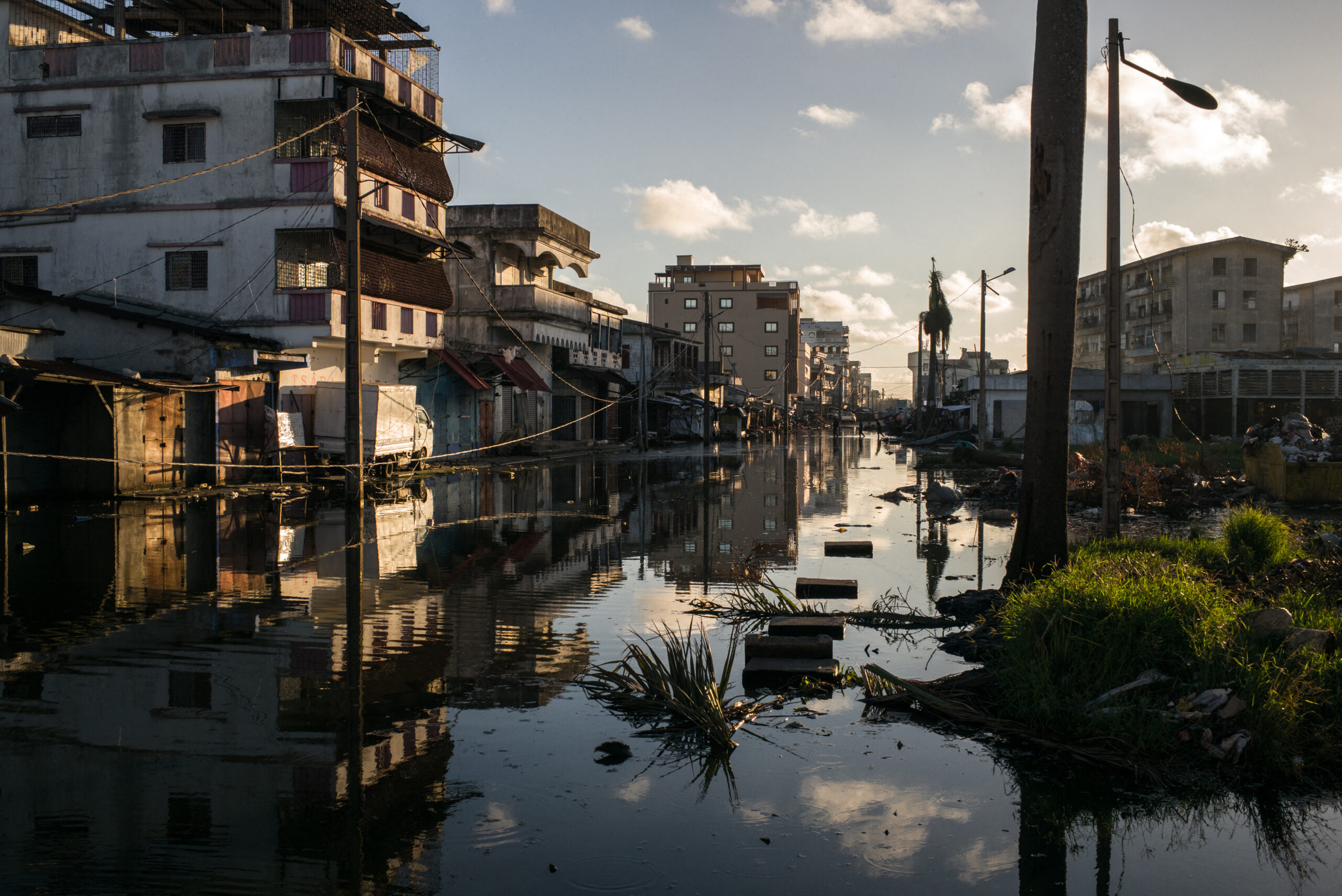
AFP images showed a trail of destruction across Toamasina, with streets in the city centre still swamped by muddy floodwater and debris strewn between shuttered shops and damaged homes.
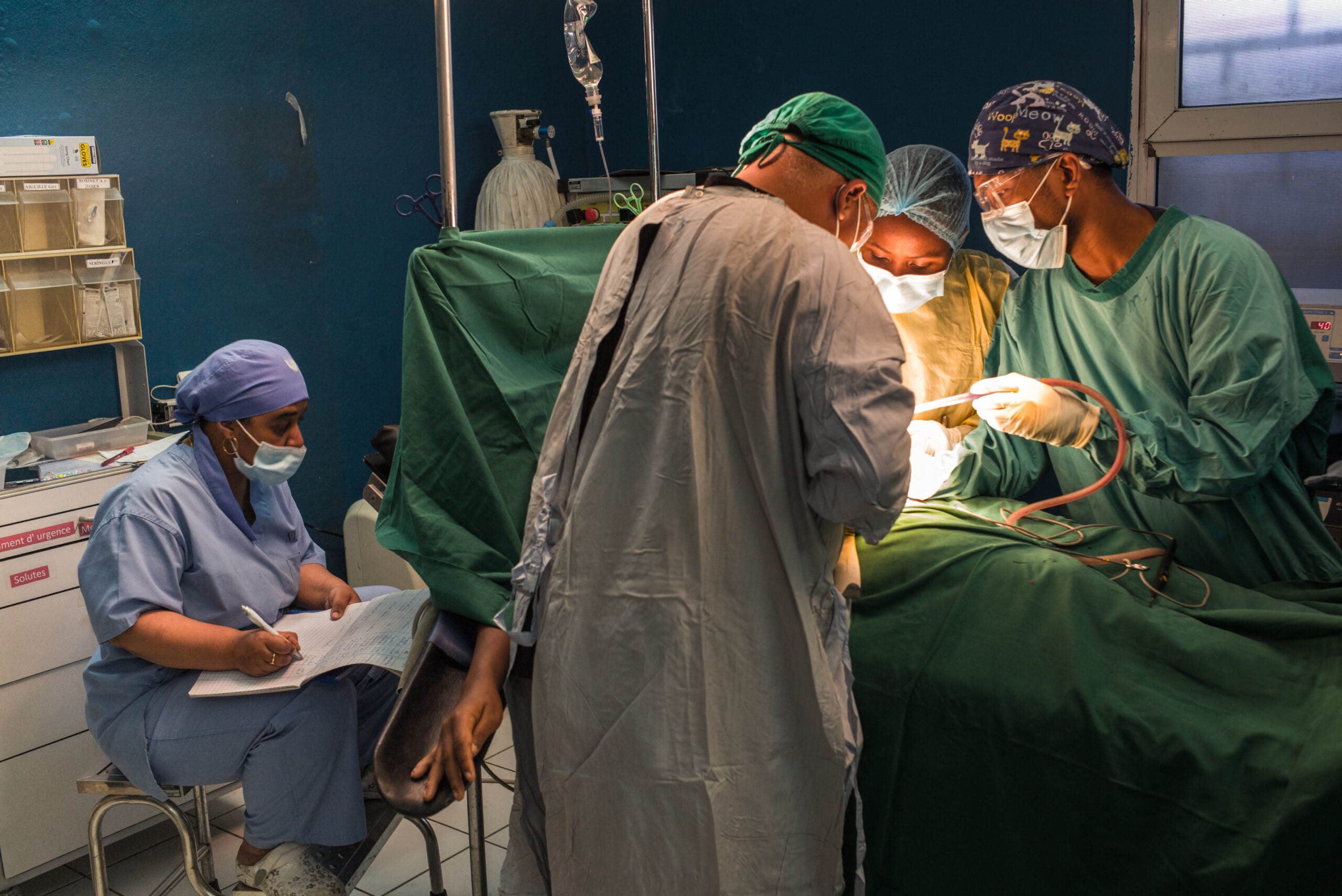
Residents queued for food at a primary school turned relief hub, while health workers screened families for malaria as the city began the slow clean‑up and took stock of the cyclone’s toll.
The World Food Programme warned Friday that “the scale of destruction is overwhelming,” with the city running on roughly five percent of its electricity and without water.
China and France have sent support for search‑and‑rescue efforts.
The storm largely spared neighbouring Mozambique, skirting about 50 kilometres (30 miles) off its coast and causing far less damage, though authorities reported at least four deaths.
Pope Leo XIV on Sunday offered condolences and prayers for “the people of Madagascar, who have been struck by two cyclones in quick succession”.
In early February, Madagascar’s northwest was hit by Tropical Cyclone Fytia, which killed at least seven people and displaced more than 20,000.
The post Madagascar Cyclone Death Toll Rises To 59 appeared first on Channels Television.