

By Gift ChapiOdekina, Abuja
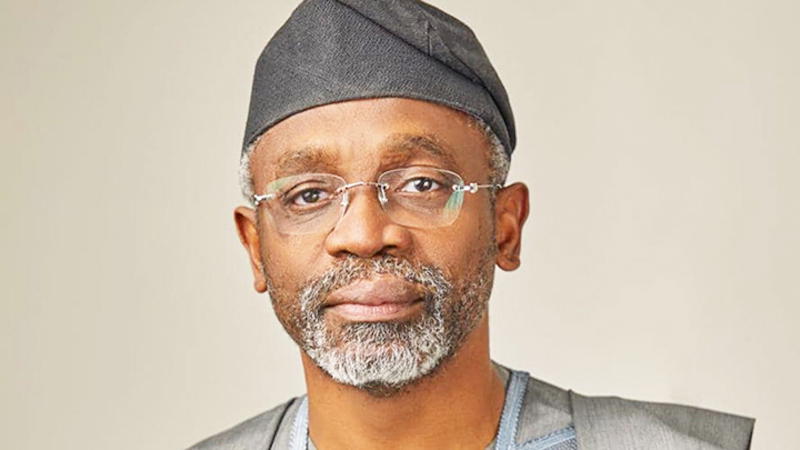
The Chief of Staff to the President and former Speaker of the 9th House of Representatives, Femi Gbajabiamila, has said education remains the strongest tool for national development as Nigeria seeks to reposition its schools for the future.
Gbajabiamila spoke on Monday at the 2026 International Day for Education Conference themed, “Re-imagining the Future of Education in Nigeria: Collaborative Solutions for a Brighter Tomorrow.”
In his goodwill message, he commended the Speaker of the House of Representatives, Tajudeen Abbas, for convening the conference and for what he described as a firm commitment to national development through education.
According to him, education is not merely another sector of the economy but a matter of national survival for Nigeria as Africa’s most populous nation.
“Education is the bridge between potential and productivity; between aspiration and achievement,” he said, stressing that no country can compete globally without sustained investment in learning.
Gbajabiamila recalled that during his tenure as Speaker of the 9th House, he sponsored the Students’ Loans Bill to ensure that no capable Nigerian student would be denied tertiary education due to financial hardship. He noted that access to education should be determined by merit and potential, not privilege.
He further stated that within the first three months of the current administration, President Bola Ahmed Tinubu assented to the bill, paving the way for the establishment of the Nigerian Education Loan Fund.
He described the move as a clear demonstration that education is central to the President’s Renewed Hope Agenda.
The former Speaker also praised the 10th House of Representatives for strengthening oversight on tertiary education funding, supporting student welfare, and promoting reforms aimed at enhancing accountability in the sector.
According to him, the House has shown that parliament is not merely a law-making institution but a strategic partner in shaping Nigeria’s future.
“As Chief of Staff to the President, you can always count on my support. Education will remain central to the Renewed Hope Agenda,” he said.
He urged participants to move beyond dialogue and generate actionable recommendations to improve funding efficiency, strengthen oversight, and ensure that existing laws reflect present realities.
“Nigeria’s brightest tomorrow will be built in the classrooms we strengthen today,” he added.
Earlier in her opening remarks, the Special Adviser to the Speaker on International Cooperation and Educational Development, Abisoye Da Rocha-Afodu, noted that the International Day of Education was established by the United Nations General Assembly in 2018 to recognise education as a fundamental human right.
She highlighted that Nigeria currently has over 20 million out-of-school children—the highest number globally—and faces significant challenges, including poor infrastructure, weak teacher welfare, outdated curricula, and limited access to technology.
She explained that the conference was convened to bring together lawmakers, policymakers, development partners, and other stakeholders to identify practical and sustainable solutions.
According to her, there is an urgent need to strengthen partnerships between government institutions, the private sector, and communities to expand access to quality and inclusive education, particularly for girls and persons with disabilities.
She added that although the International Day of Education is globally observed on January 24, the conference was held in February due to the National Assembly’s recess in January. The timing, she said, was also intended to allow for meaningful engagement before Ramadan and to encourage stakeholders to address critical issues around funding, security, and accountability in the education sector.
On measures to ensure proper utilisation of funds, she disclosed that the House is working on legislative initiatives to promote periodic accountability for resources allocated to education programmes.
Also speaking, Chairman of the House Committee on Federal Polytechnic and Higher Technical Education, Fuad Laguda, said the conference offered an opportunity to assess Nigeria’s education system against international benchmarks.
He noted that funding remains one of the most pressing challenges confronting the sector, particularly polytechnics and higher technical institutions.
Laguda emphasised that collaboration is essential to meaningful reform, pointing out that participants from diverse sectors gathered to build synergy and chart a common path forward.
He added that any nation seeking sustainable development must invest heavily in education, stressing that Nigeria must raise its ambitions if it hopes to compete effectively on the global stage.
The post Education key to Nigeria’s survival, global competitiveness – Gbajabiamila appeared first on Vanguard News.