
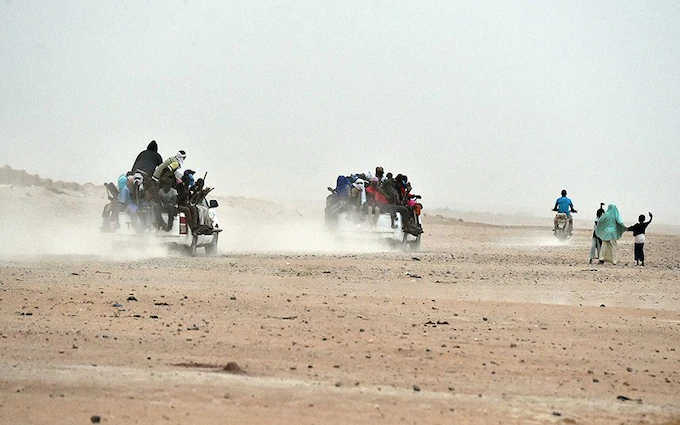
Africa is widely known for its diverse landscapes, rich cultures, and extreme climate contrasts. While some regions enjoy mild Mediterranean or highland weather, others experience some of the highest temperatures on Earth. From vast deserts to arid savannas, heat shapes daily life, architecture, and economic activities across the continent.
Below is a list of the 10 hottest countries in Africa, based on average annual temperatures, frequency of heatwaves, and long-term climate patterns — not just single record-breaking days.
1. Burkina Faso
Burkina Faso consistently ranks as the hottest country in Africa by average annual temperature, often exceeding 28°C year-round. Located in the Sahel region, the country experiences long, dry seasons and intense heat between March and May, when temperatures can surpass 45°C.
It is so hot because of the landlocked Sahelian location, minimal forest cover and persistent dry Harmattan winds.
2. Mali
Mali’s northern regions lie deep within the Sahara Desert, making extreme heat a daily reality. Cities such as Timbuktu regularly experience temperatures above 40°C, while national averages remain among the highest globally.
Mali’s key climate features include vast desert terrain, very low annual rainfall and prolonged dry seasons.
3. Niger
More than two-thirds of Niger is desert, and the country records some of the most persistent high temperatures in Africa. Heat peaks before the rainy season, often combined with severe drought conditions.
Niger is one of the driest countries on Earth, with temperatures frequently above 42°C. It is highly vulnerable to climate change.
4. Chad
Chad stretches from the Sahara in the north to tropical zones in the south, but extreme heat dominates much of the country. Average annual temperatures remain very high, particularly in desert and semi-arid areas.
Climate drivers in Chad include the Sahara desert influence, shrinking Lake Chad and limited cloud cover.
5. Sudan
Sudan is one of Africa’s hottest countries, with summer temperatures in some areas exceeding 47°C. The combination of desert landscapes and continental climate patterns keeps heat levels extreme for most of the year.
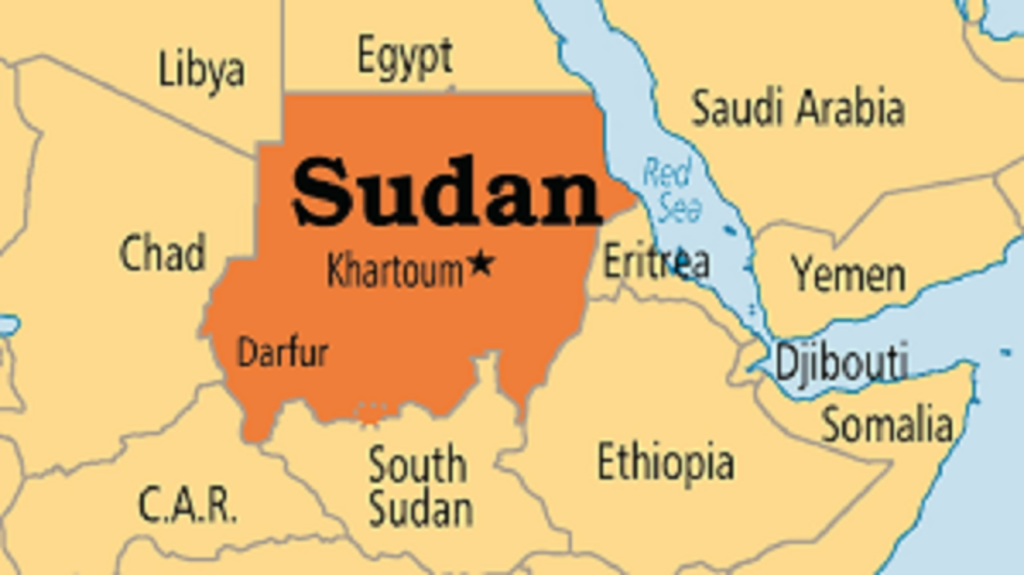
Sudan experiences extremely hot summers, low humidity inland and minimal rainfall outside the south.
6. Senegal
Although it has a coastline, Senegal remains extremely hot inland, especially in its eastern regions. Average temperatures are consistently high, with heat intensifying during the dry season.
The West African country is hot because of its Sahelian climate inland, short rainy season and hot, dry trade winds.
7. Mauritania
Mauritania is almost entirely desert, making it one of Africa’s hottest and driest countries. Heat is intense and prolonged, with little seasonal relief.
The country’s climate is dominated by the Sahara, has very low precipitation and frequent sandstorms.
8. Djibouti
Djibouti is famous for extreme heat combined with high humidity, especially along the coast. Summer temperatures often exceed 43°C, making it one of the most uncomfortable climates in Africa.
Its unique factors include low elevation areas below sea level, coastal humidity and volcanic terrain.
9. Nigeria
Nigeria’s northern regions experience intense heat, particularly during the dry season when temperatures frequently rise above 40°C. While the south is moderated by rainfall and humidity, heat remains a major factor nationwide.
Climate variation in the West African nation includes Sahelian heat in the north, tropical humidity in the south and increasing heatwaves due to climate change.
10. Eritrea
Eritrea’s lowland areas along the Red Sea coast are among the hottest zones in Africa, with scorching temperatures lasting most of the year. Coastal cities experience both extreme heat and high humidity.
It ranks among the hottest because of the desert and semi-desert terrain, Red Sea coastal influence and long dry seasons.
The post 10 hottest countries in Africa appeared first on Vanguard News.