

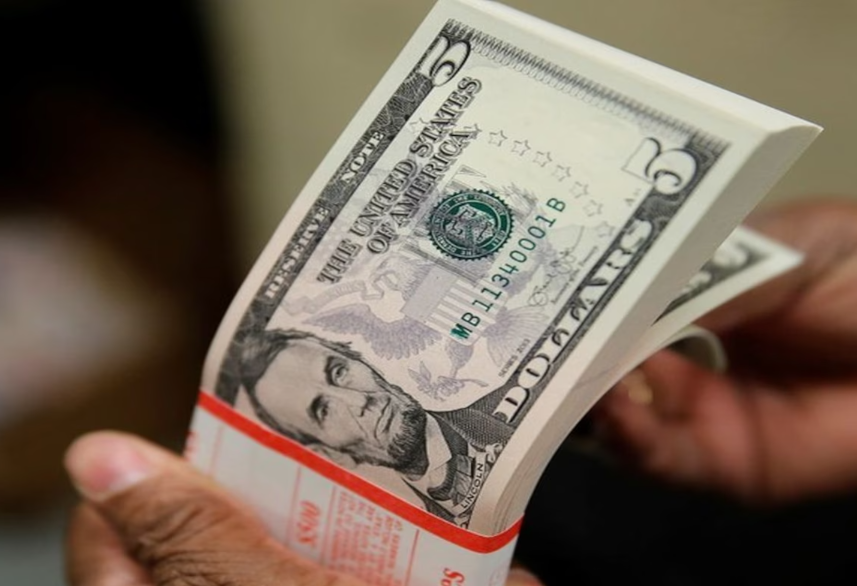
The Nigerian Naira maintained a stable yet slightly softened position against the US Dollar as the first full trading week of March 2026 drew to a close. Real-time data from the Nigerian Foreign Exchange Market (NFEM) and various parallel market channels show the local currency trading within a predictable range, supported by robust national reserves and a sustained decline in inflationary pressure.
Official Market Performance (NFEM)
In the official NFEM window, the Naira opened at 1,385.42 per dollar during the early Friday morning session. By 3:00 AM WAT, the exchange rate showed minor appreciation, settling at 1,385.20. This follows a closing rate of 1,385.30 from the previous day, reflecting a market that is largely in a consolidation phase.
The current rate represents a subtle cooling compared to the end of February, where the Naira hovered closer to the 1,360 mark. Despite this marginal week-on-week depreciation, the market remains liquid. Authorized dealers report that the Central Bank of Nigeria (CBN) continues to facilitate the “willing-buyer-willing-seller” model, which has significantly reduced the extreme intraday volatility observed in previous years.
Parallel Market Trends
The parallel market continues to follow the official window’s lead, with the dollar exchanging at rates between 1,395 and 1,405 per dollar. The spread between the official and informal sectors remains narrow, currently estimated at approximately 1.5%.
Traders in major financial hubs like Lagos and Abuja note that while there is the typical end-of-week demand for personal travel and small-scale business transactions, there is no evidence of speculative hoarding. The narrowing gap between the two windows is a strong indicator that the central bank’s supply to Bureau De Change (BDC) operators is successfully meeting retail demand.
Macroeconomic Factors and Outlook
Several fundamental drivers are providing a floor for the Naira’s valuation this March:
13-Year High in Reserves: Nigeria’s gross external reserves recently hit a milestone of 50.45 billion dollars. This provides approximately 9.68 months of import cover, giving the CBN substantial leverage to stabilize the exchange rate.
Disinflationary Trend: Headline inflation slowed to 15.10% in the most recent report, marking a significant drop from the 34.19% peak seen in 2024. This cooling of price growth has bolstered the real value of the local currency.
Domestic Refining Impact: The Dangote Petroleum Refinery has reportedly begun absorbing portions of global crude price escalations internally, reducing the volume of foreign exchange needed for refined product imports and helping to insulate the domestic economy from energy-driven inflation.
Consistent Oil Production: Crude oil production has remained steady near 1.46 million barrels per day, ensuring a reliable stream of foreign exchange inflows.
As the trading day progresses, analysts expect the Naira to finish the week within the 1,380 to 1,390 range. The market’s focus is now shifting toward mid-month trade data, which will provide further clarity on the long-term impact of the recent interest rate adjustments.
The post Dollar to Naira exchange rate today, March 6, 2026 appeared first on Vanguard News.